
What McIlrath | Eck’s recent feature on aging-in-place planning means for Pacific Northwest homeowners thinking about retirement.
Most retirement plans do a great job with the financial pieces. Income sources. Tax strategy. Long-term care. Estate documents. The portfolio is reviewed, the Social Security timing is mapped out, and the spreadsheets are tidy.
One thing that often doesn’t make the agenda? The house.
That’s exactly the conversation our friends at McIlrath | Eck — the investment, retirement, and legacy planning firm based in Arlington — opened up in their recent client newsletter. They invited Scott Tenhulzen to co-author a piece on something most homeowners haven’t thought through yet: whether the home they plan to retire in is actually ready to support them through that next chapter.
It’s a question worth sitting with, because the answer shapes a lot of what comes next.
| “The most expensive home modifications are the ones you do in an emergency.”— Scott Tenhulzen |
Proactive vs. Reactive — There Really Is a Difference
Aging-in-place modifications fall into a category that doesn’t get talked about enough: predictable expenses you can budget for if you start early, or financial scrambles if you don’t.
Remodeling proactively while you’re still working — with full financial runway and no urgency — looks completely different from retrofitting after a fall, a diagnosis, or a sudden change in mobility. Proactive projects let you choose quality materials, work with the right contractor on a sane timeline, and integrate accessibility features that look like good design rather than medical equipment. Emergency retrofits cost more, get rushed, and rarely produce results homeowners are happy to live with.
From a planning standpoint, the math just favors getting ahead of it.
What “Aging in Place” Actually Looks Like
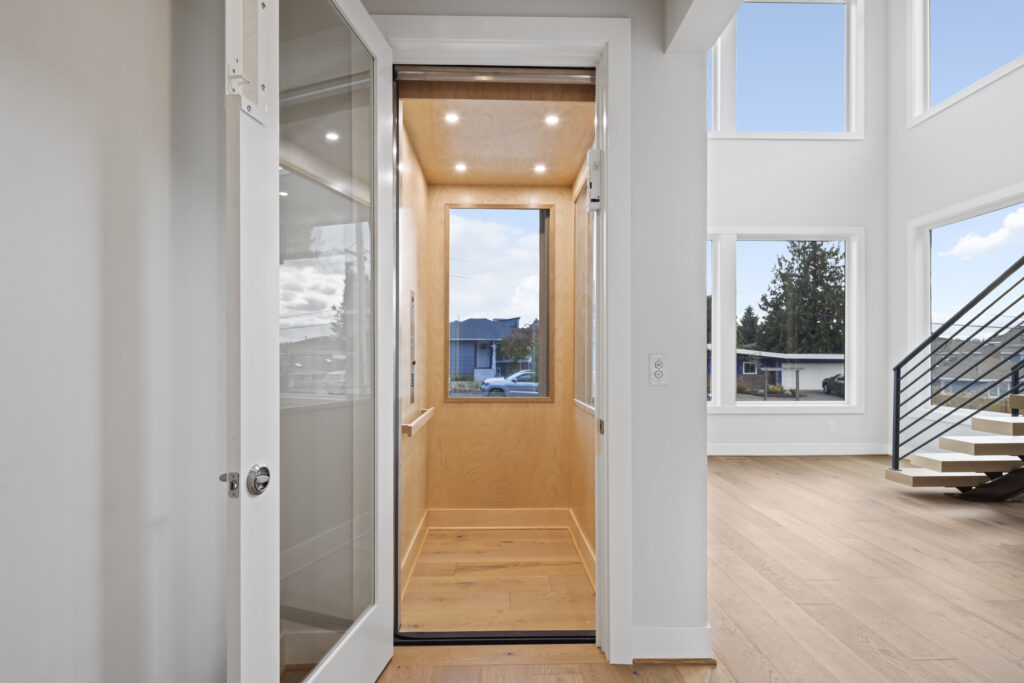
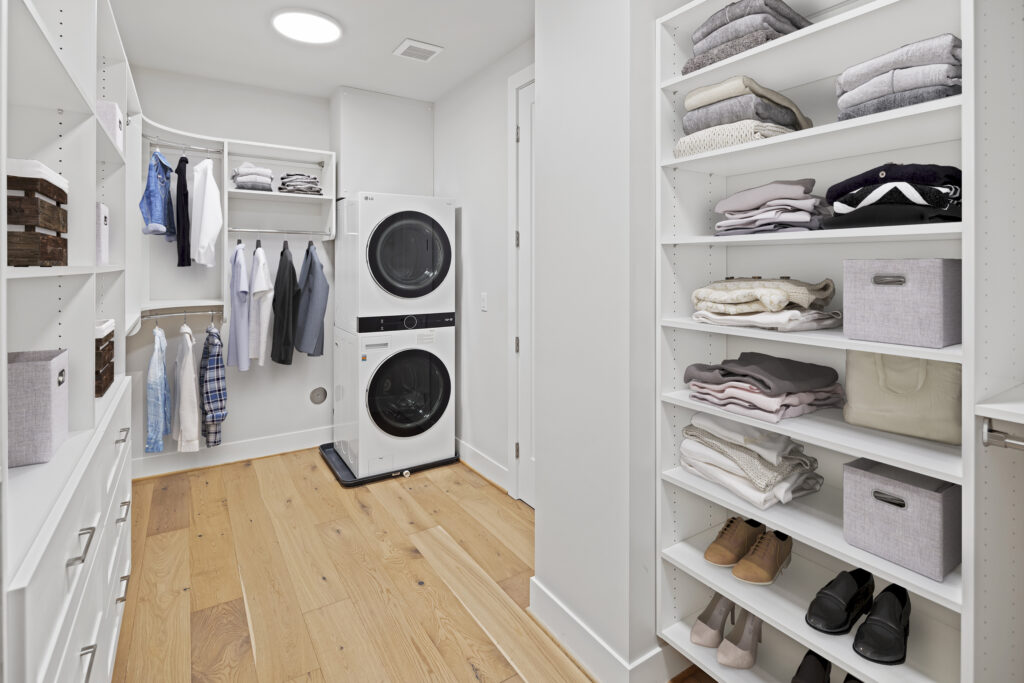
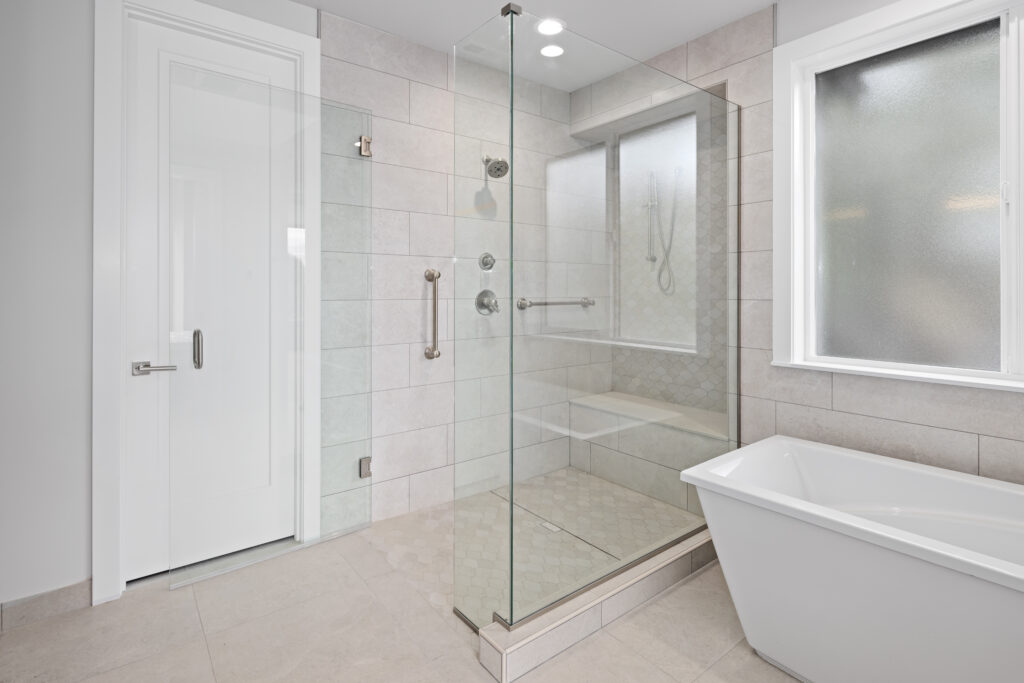
Not every home needs every upgrade. A good plan starts with an honest walkthrough of how you use your home today — and how that might shift over the next ten, twenty, or thirty years. A few of the highest-impact zones to evaluate:
Bathrooms
- Curbless (zero-threshold) walk-in shower with a built-in bench
- Grab bars anchored into wall blocking — not just drywall — at the shower, tub, and toilet
- Comfort-height toilets (17–19 inches vs. the standard 15)
- Single-lever or touchless faucet hardware
- Non-slip tile or textured flooring
- Wider doorways (32–36 inches minimum)
Entries and Circulation
- Ramp or gently sloped zero-step approach from the driveway or garage
- Covered entry porch — no small thing on wet Pacific Northwest surfaces
- Lever-style door handles in place of round knobs throughout
- Keypad or smart lock entry
- Wider interior doorways and hallways (36–42 inches preferred)
Kitchens
- Pull-out shelving and deep drawers to reduce bending and reaching
- Lower countertop sections for seated or assisted use
- Touchless or lever-style faucets
- Better task lighting under cabinets and over work surfaces
Flooring and Lighting
- Slip-resistant flooring — luxury vinyl plank, low-pile carpet, or textured tile
- Smooth, flush transitions between rooms (no trip-hazard thresholds)
- Motion-activated lighting in hallways, bathrooms, and stairwells
- Brighter general lighting and well-placed nightlights
Main-Floor Living
- Primary bedroom and full bath on the main floor — the single biggest stair-dependency fix
- Laundry relocated to the main floor if it’s currently in the basement
The ADU Conversation
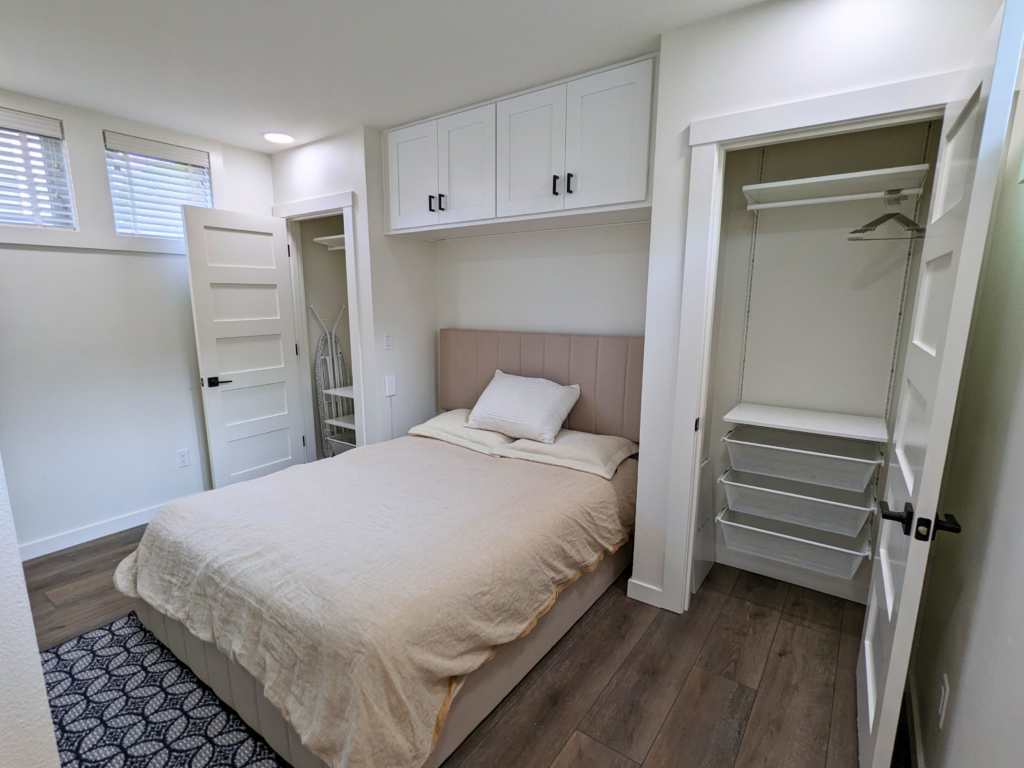
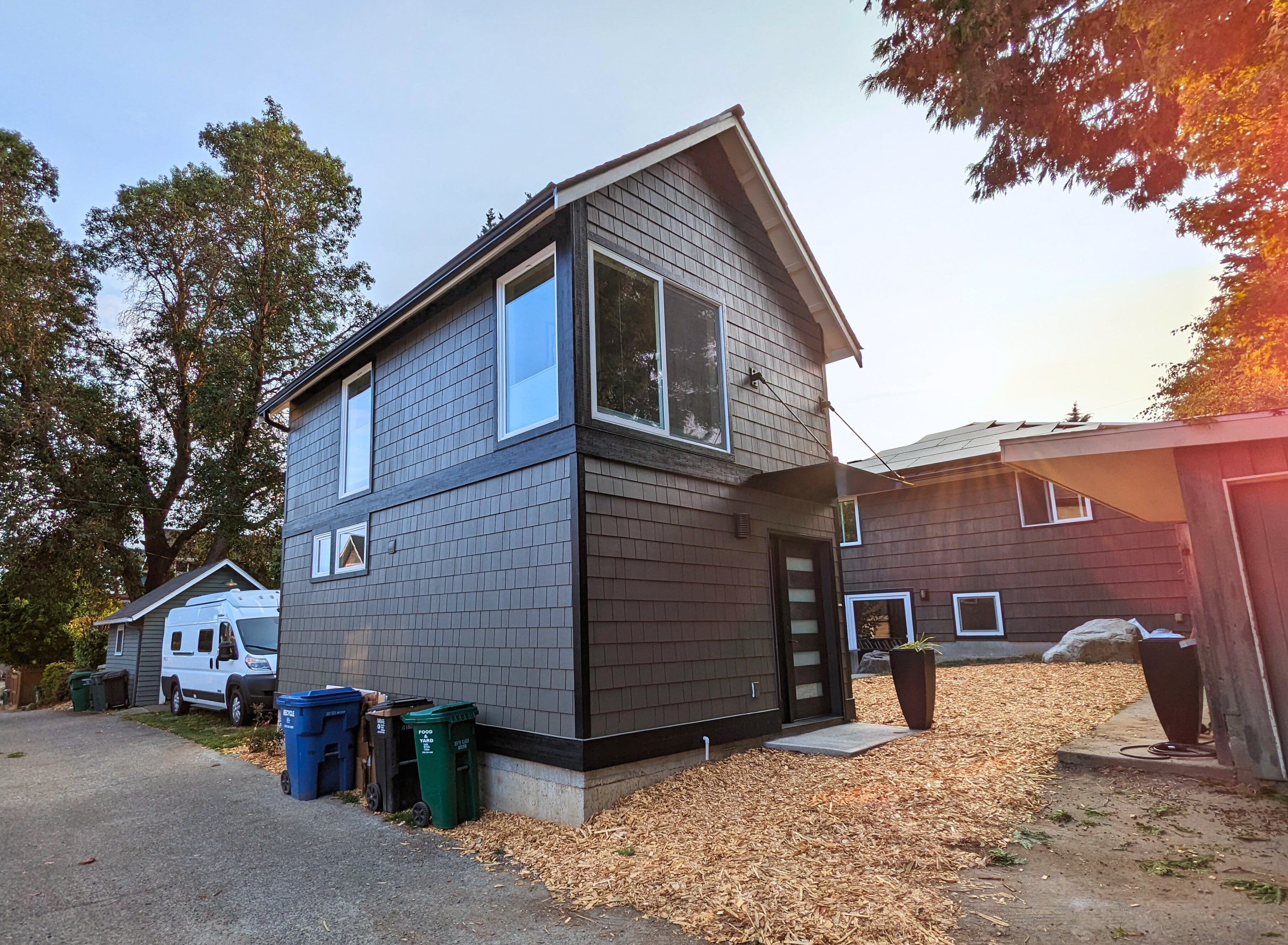
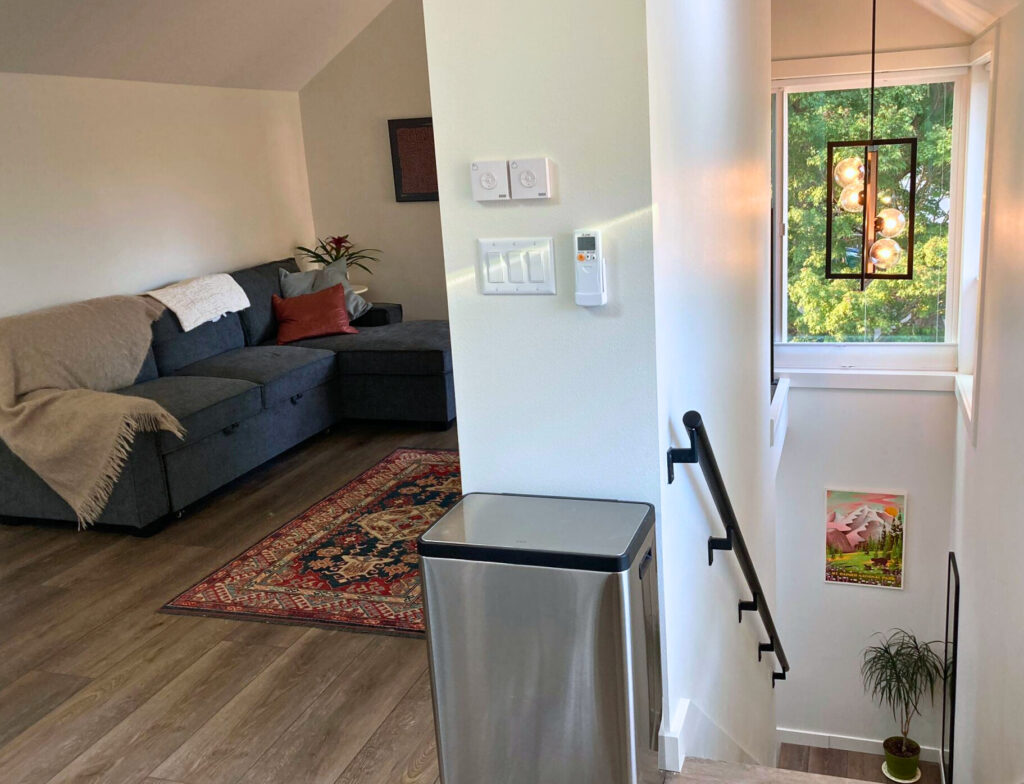
One of the most versatile remodeling investments heading into retirement is an Accessory Dwelling Unit (ADU) or a Detached Additional Dwelling Unit (DADU) — like a detached backyard cottage, garage conversion, or basement suite.
Before retirement, an ADU can generate rental income that helps offset the cost of building it. Later, when care needs come up, that same space becomes private quarters for a professional caregiver or a family member stepping into that role — close enough to help, separate enough for everyone’s dignity. Washington State has expanded ADU permitting in recent years, which has made these projects considerably more accessible than they were even five years ago.
From a financial planning angle, ADUs are worth a longer conversation — they touch property value, taxable income, estate planning, and long-term care strategy all at once. That’s exactly the kind of crossover topic the McIlrath | Eck team is well-positioned to walk through.
Why the CAPS Designation Matters
This kind of work isn’t a side specialty for us. Scott Tenhulzen holds a CAPS certification — Certified Aging in Place Specialist — issued by the National Association of Home Builders. It’s a credential that requires demonstrated expertise in accessible design and construction, and it’s not common in the remodeling world.
In practice, it changes how a project gets scoped. CAPS-trained contractors think about how a space will work for someone navigating it with limited mobility — not just how it photographs on day one. That perspective is what makes the difference between a remodel that looks good now and one that still works twenty years from now.
It’s also why we put real energy into our Ramp-a-Thon community service program — building and donating ramps for families who need them but can’t afford to wait. That work keeps us close to the actual stakes of accessibility, and we think it shows up in everything else we build.
| “Helping families navigate life transitions is some of the most meaningful work a contractor can do.”— Scott Tenhulzen |
Putting It on the Planning Agenda
If you’re in your 50s or 60s and starting to think about what retirement actually looks like for you, your home deserves a place on the planning agenda alongside the portfolio review and the Social Security timing question. The choices you make over the next five to ten years will shape what your options look like in twenty.
The McIlrath | Eck team is happy to talk through how home modifications fit into your overall retirement picture — financing, tax considerations, long-term care strategy, the whole thing. And on our side, we’re glad to walk any home and help you think through what’s worth doing now versus later, what each piece might cost, and how to sequence it so you’re never in a hurry.
Contact Tenhulzen Construction today for a free consultation — and if you’d like to read the full McIlrath | Eck feature, ask their team or ours and we’ll send it your way.
To read the McIlrath | Eck feature in full, contact their team at mcilratheck.com. Tenhulzen Construction has served King and Snohomish counties for more than 25 years and is a VELUX-certified installer.