
Scott Tenhulzen just spent three days inside another remodeling firm. Not as a guest, not as a tourist, but as one of ten owner-operators flown in from across the country to interview that company’s employees, dig into what was working and what wasn’t, and then deliver hard, honest feedback to the owners.
It is the kind of meeting most business owners would dread. Sit in a room while nine of your peers pick apart your operations, your communication, your accountability gaps. Then, six months later, do it again. Except this time, you are the one being studied.
That is by design. And it is exactly why we do it.
If you are considering a remodel, you probably aren’t thinking about whether your contractor goes to peer-review meetings. You are thinking about your kitchen, or your bathroom, or the addition you have been planning for two years. But here is why it matters to you. The contractors who are serious about their craft are the ones willing to be uncomfortable in service of getting better. That discomfort shows up in your project as cleaner job sites, clearer communication, tighter schedules, and fewer surprises.
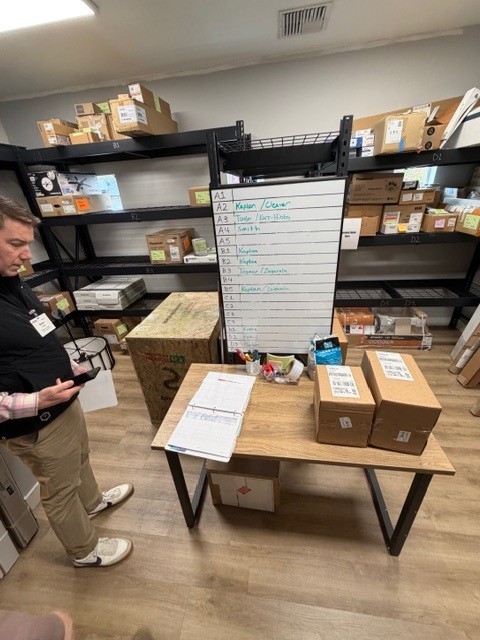
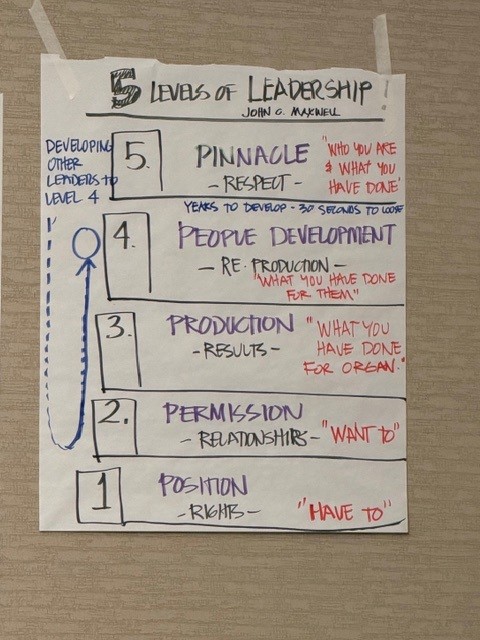
What actually happens inside the room
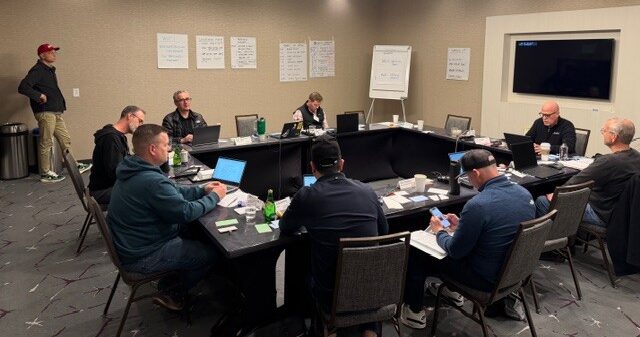
Scott belongs to a long-running peer group made up of owner-operators from some of the top remodeling firms in the country. Twice a year, the group meets at one member’s company for three days. The format is straightforward and intense.
Before the visit. The host firm runs an internal employee survey. What does the team think is working? What does the team think isn’t? The responses are honest, because they are going to a room of outsiders, not to the boss.
During the visit. Ten outside owners split into small interview teams and rotate through twenty-minute conversations with every single person at the host company. Crews, project managers, designers, admin staff, everyone. We ask pointed questions. What is working, what isn’t, where does the company drop the ball, what are the best and worst parts of working here. We are not there to be polite. We are there because the owners asked us to find what they cannot see themselves.
Then we take it apart, kindly and directly. After the interviews, we spend two more days working through what we heard, presenting our observations to the host’s owners, and then doing the same exercise for our own businesses. Twenty-minute presentations followed by an hour of feedback from the room. Every firm leaves with specific, measurable commitments to deliver before the next meeting. There is no spinning it. You get told what is broken. You go home and fix it, or you show up empty-handed in front of nine other professionals six months later.
Why this turns into a better project for you
Here is what we have learned from being on both sides of the table. When an outside group of professionals tells a company what is not working, the team inside that company gets energized, not defensive. They have usually been trying to solve the same problems for a while, and they finally have the air cover to actually change things.
That same dynamic plays out at Tenhulzen Construction every six months. Real change, on the inside, on a schedule. Sharper systems. Tighter communication. Fewer surprises on your project.
What backs it up
The peer group is the engine, but it isn’t the whole story. Two other practices keep what we learn there from staying theoretical.
Ongoing product and technique training. The materials and methods we use evolve every year. New coatings, new fastening systems, new energy codes, new ways of detailing a window or finishing a cabinet. Our team trains regularly with the manufacturers and trade partners we trust, from paint and finish suppliers to skylight specialists and product engineers. When a new product comes to market, we want our crews installing it the way the engineers designed it to be installed, not the way it was done a decade ago. That is how warranties hold, finishes last, and your home performs the way it was specified to perform.
Testing on our own homes first. Before a new technique, product, or system goes on a client’s home, it often goes on one of ours first. Scott and members of our team use their own residences as proving grounds. New assemblies, new finish systems, new construction sequences get tested at home, where we can watch them over months and seasons before we recommend them to you. By the time we suggest something for your project, we already know how it behaves in the Pacific Northwest, what it looks like after a wet winter, and whether the install steps the manufacturer specifies actually hold up.
What this means if you are hiring a remodeler
When you are vetting contractors, ask about how they invest in their own business. Ask what professional groups they belong to. Ask what the last big internal change was, and why they made it. Ask whether anyone outside the company is allowed to tell them the truth about how they operate.
Any contractor can talk about quality. The ones worth hiring can show you the systems behind it, and tell you the last time they were uncomfortable in pursuit of getting better.
Accountability at our core
At Tenhulzen Construction, getting better is a six-month cycle of accountability with some of the best remodeling firms in the country, supported by ongoing training and tested first on our own homes. Across 25 years of projects in King and Snohomish Counties, it is the quiet reason your project gets the attention it does.
Contact Tenhulzen Construction today for a free consultation.